
Life-insurance analytics, designed in the open.
OpenLife Analytics is a source-available analytics product, in development as part of the wider OpenLife product. Its architecture, data definitions, integration plan, and specs are published, so a team can see the whole system before it is built.
Insurance data architecture
Supporting build partner · Source-available product · In development
A documented analytics foundation teams can build from.
Instead of another analytics vision deck, the team gets a concrete plan it can review and build from.
- Open
Source available, part of OpenLife
- Data
Business definitions and model included
- Integrations
System boundaries and patterns named
- Specs
Formal references a team can inspect
Context
Life-insurance analytics work usually starts with real pain: reporting is slow, definitions drift, and the data needed for smarter decisions lives in too many systems.
Challenge
That kind of effort often gets split across slide decks and scattered specs. The team agrees that the problem is real, but still lacks one plan it can build.
Approach
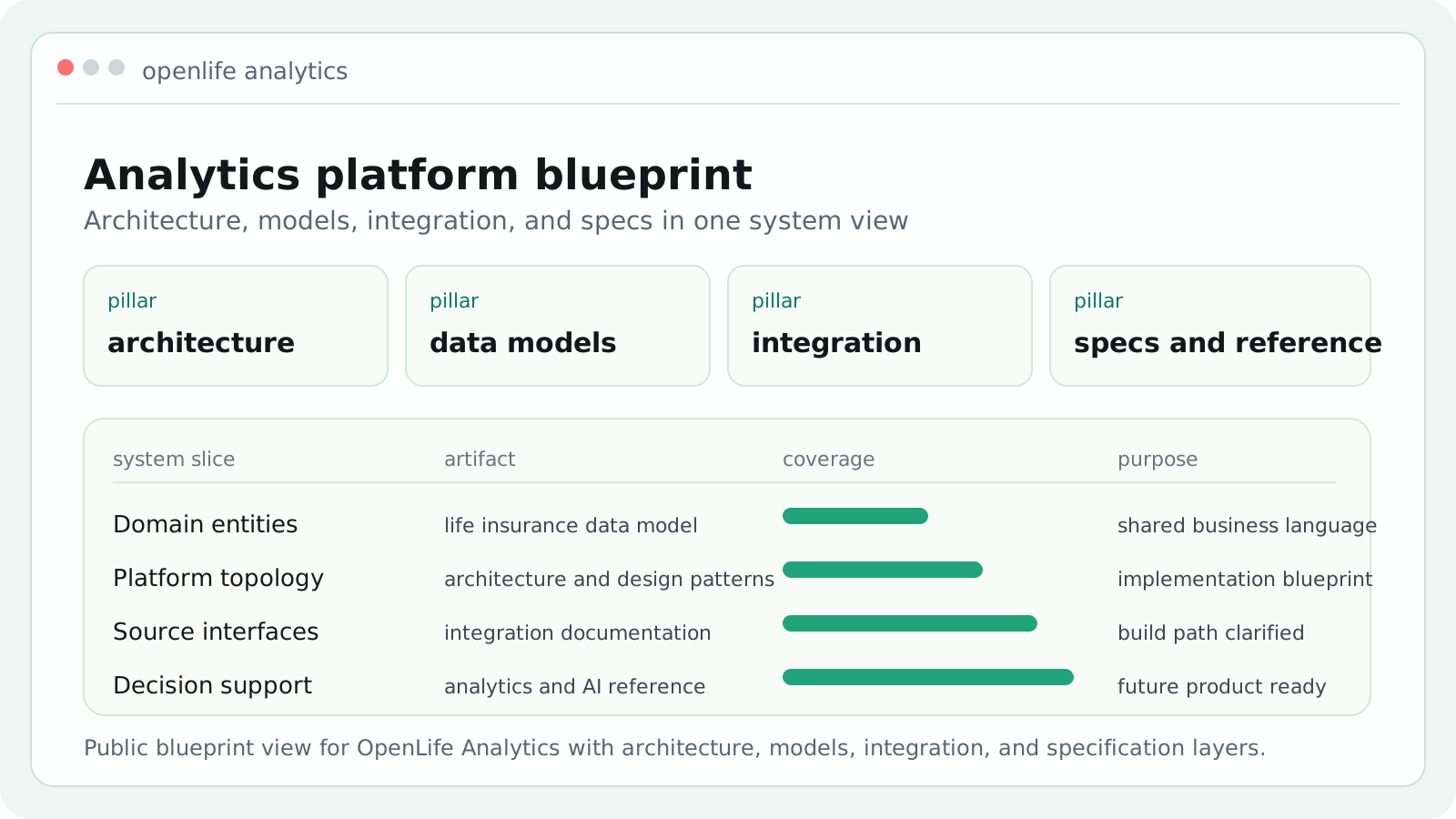
OpenLife Analytics puts the architecture, data definitions, integration patterns, diagrams, and formal specs into one public structure so reviewers can see the system as a whole.
What shipped
A working plan: system layout, data models, integration guidance, diagrams, and reference specs that a delivery team can inspect and extend.
What exists today
Architecture, data definitions, integration guidance, diagrams, and formal specs for a life-insurance analytics build.
AI note
The public plan includes AI decision-support as part of the analytics design, but what you can inspect today is a build-ready plan rather than a production AI workflow.
What this means for your team
A plan, not a vision deck
Architecture, data definitions, and specs a team can review and build from before the build budget is spent.
Insurance data, defined
Business definitions and a data model for life-insurance analytics that business and IT can review together.
Integration boundaries named early
System boundaries and integration patterns are part of the plan, so the build doesn't discover them late.